

English-stuff has various posts on Christmas traditions, mainly relating back to the Victorians (see https://english-stuff.com/2024/12/07/the-history-of-christmas-pudding-a-timeless-tradition/ – https://english-stuff.com/2021/12/22/a-victorian-christmas-dinner/ – https://english-stuff.com/2020/12/19/a-victorian-christmas/ )
But what about Christmas today?
Which elements of a 21st century Christmas celebration in the UK could change in the future?
The early start

I promise you that I have actually seen Christmas paraphernalia on sale in August … and I wouldn’t be surprised in the least if anyone has spotted Christmas merchandise even earlier than that. It was not always this way. The commercialisation of Christmas makes it come round more quickly every year.
Once we get to the end of October and Halloween is over, on 1st November the gloves are off. It’s an absolute free-for-all with Christmas publicity, offers, gifts, decorations, and foodstuffs in your shops. These things are on your TV and in your face till the day itself arrives.
A tongue-in -cheek question ….will the day arrive when we end one Christmas and immediately start preparing for the next?
Christmas cards
Christmas cards are greeting cards that people give or send to each other to send a message which can convey love, or a religious or humourous message. In the UK it is a way of celebrating the Yuletide season.
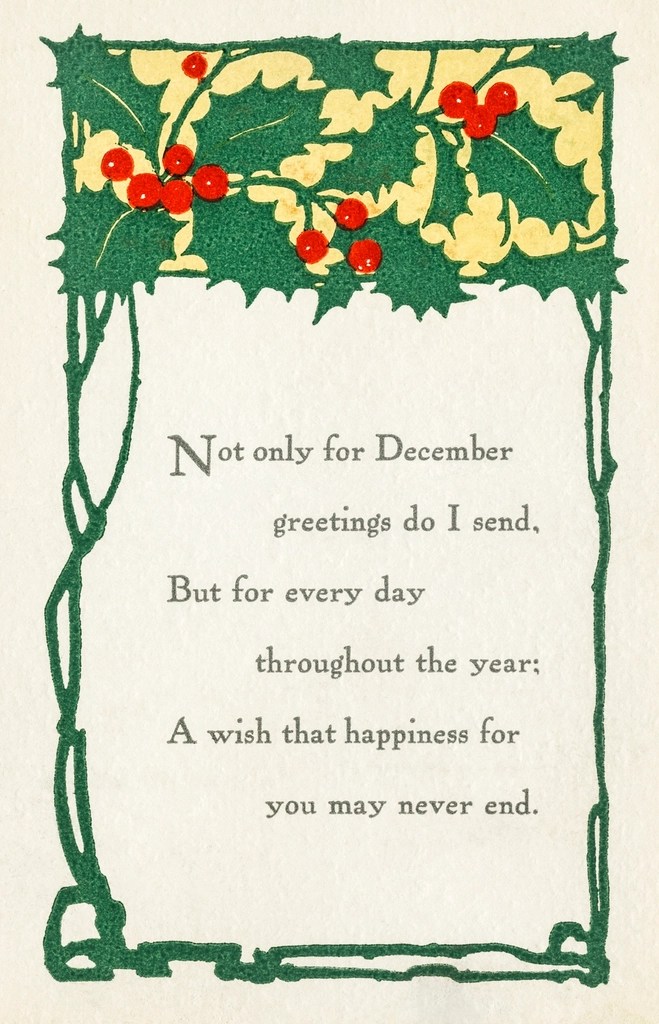
Christmas cards became popular during the reign of Queen Victoria, like several of our other festive customs. (see https://english-stuff.com/2020/12/19/a-victorian-christmas/ ) The Christmas card industry is now worth approximately a whopping £1.4 billion.
But with the advent of digital messages, WhatsApp, AI and who knows what else, will this tradition be affected? There is still a huge quantity of Christmas cards in the 2025 post but there has been a slight decline in volume in recent years due to different consumer habits such as online messaging, plus the rise in postage costs. The Guardian published this article today: https://www.theguardian.com/business/2025/dec/12/card-factory-issues-shock-profit-warning-during-peak-christmas-period
But it’s not all down to AI taking over. We are also probably more aware of the environmental costs — the carbon footprint and the paper involved.
Do you think Christmas cards will become extinct as time goes by?
Christmas stamps

The first set of Christmas stamps were produced in 1966. But should we stop sending Christmas cards, will we lose our Christmas stamps too? Answers on a postcard with a Christmas stamp please.
Christmas crackers

If you are reading this from outside the UK, you may have no idea what this is – although the Commonwealth countries also have this tradition. Basically it’s a paper wrapper that generally contains a trinket, a joke and a paper crown. You pull the cracker with another person at each end at the Christmas dinner table. It makes an explosive sound. The contents then tumble out, hence the name cracker.
Invented in the mid-nineteenth century, crackers slowly became popular items on the Christmas table. Millions of Christmas crackers will be pulled apart this year. Yet revenue from sales has dipped slightly in recent years. This is mainly due to the tough economic climate and the fact that crackers are considered an option rather than an essential.
But it’s not all bad news, there’s evidence of innovation in the Christmas cracker business – for example, luxury crackers or joke-focused editions.
Christmas dinner
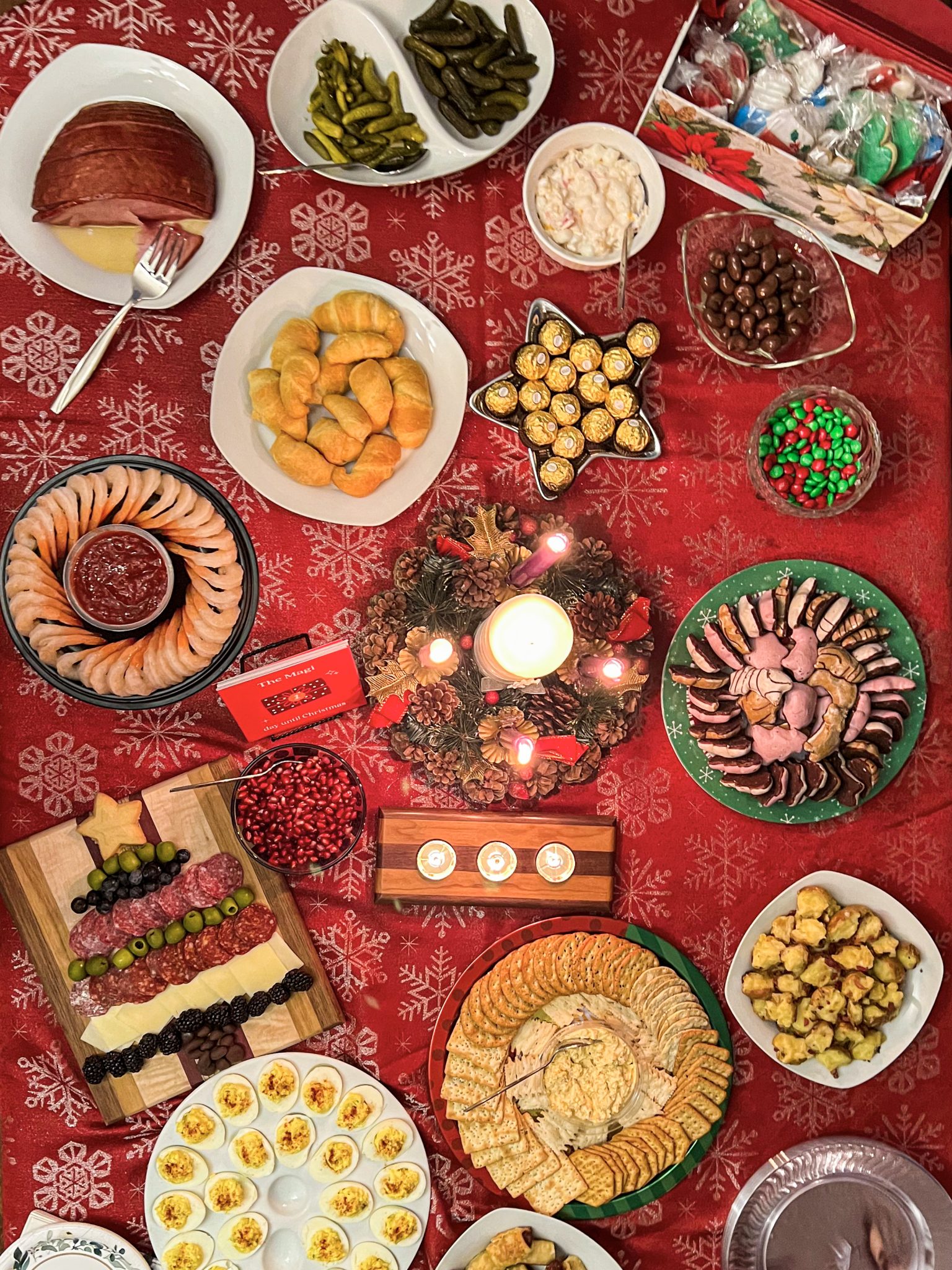
What to say about Christmas dinner? A traditional Christmas dinner includes roast turkey or a roasted joint of meat. It comes with crispy roast potatoes, seasonal vegetables (which must include Brussels sprouts even if you don’t like them), stuffing, and gravy. People also like to add their favourite accompaniments – for example, Yorkshire puddings, pigs in blankets, cauliflower cheese. And why not?
Industry data shows a decline in turkey consumption at Christmas over recent years. Fewer households are choosing turkey. Instead, they are opting for lamb, gammon or chicken.
Many members of the younger generation go one step further and ignore the traditional fare altogether – they might choose curry or pizza or Mexican food or whatever preference they have. And let’s not forget vegans and vegetarians.
Roast turkey remains part of British Christmas tradition, but its role is evolving. Fewer households are sticking exclusively with turkey, and a growing number of people are choosing alternatives or multiple mains for their festive meal. This reflects broader shifts in eating habits, costs and cultural preferences in the UK.
What do you think about these changes? Are they positive or negative?
Have you seen any other changes that could happen in the future?


 english-stuff.com

You must be logged in to post a comment.