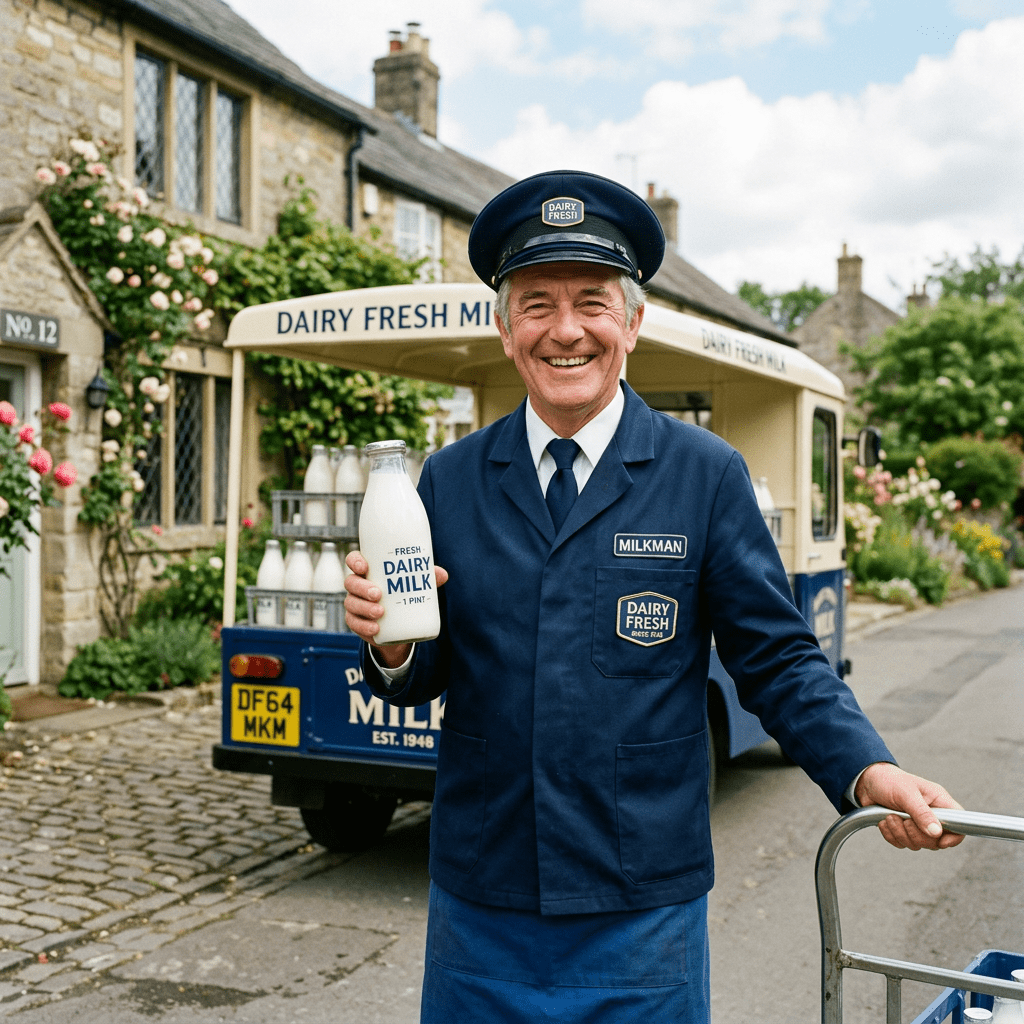
Some things disappear with a bang. Others simply stop being there one day.
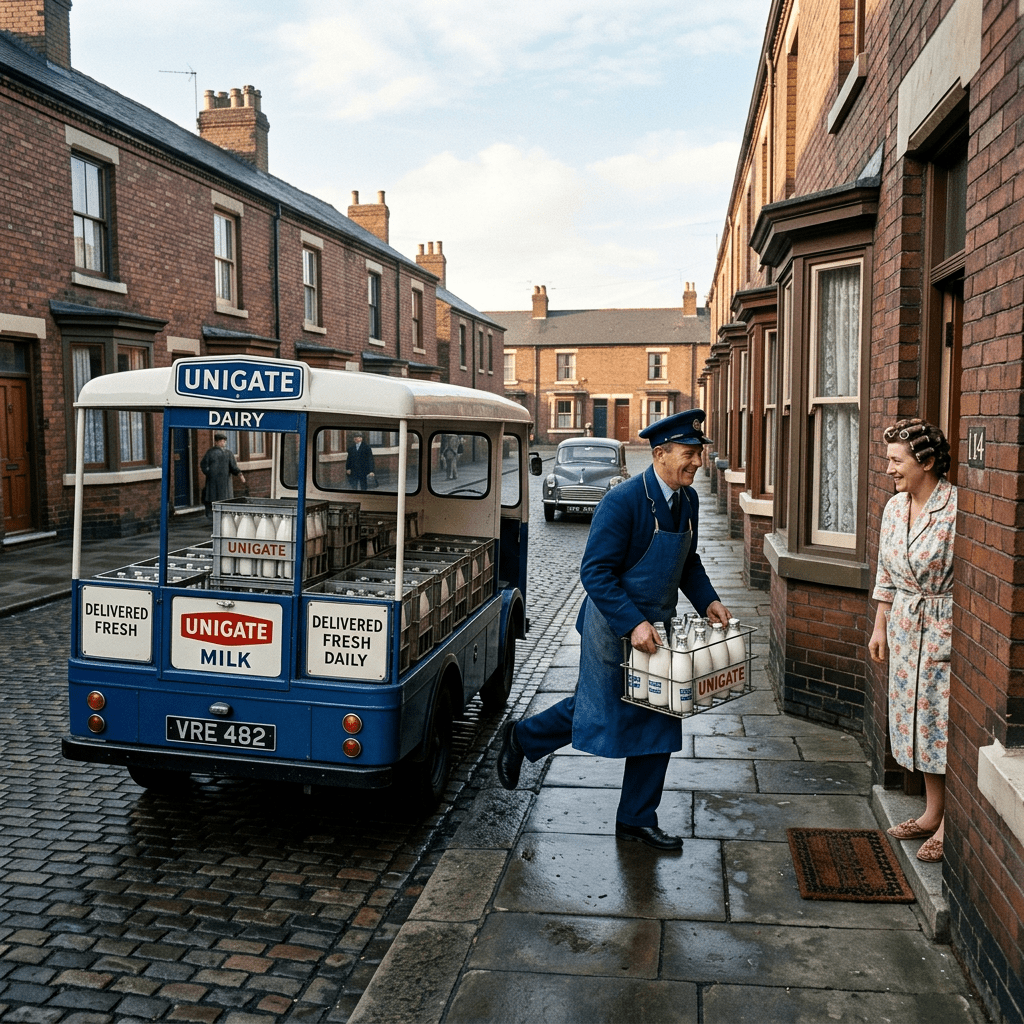
Who was the milkman?
Milk has obviously been around for centuries, but door-to-door milk delivery by milkmen (and yes, practically nearly always a milkman – not a woman) began in the 19th century,
Why did we need him?
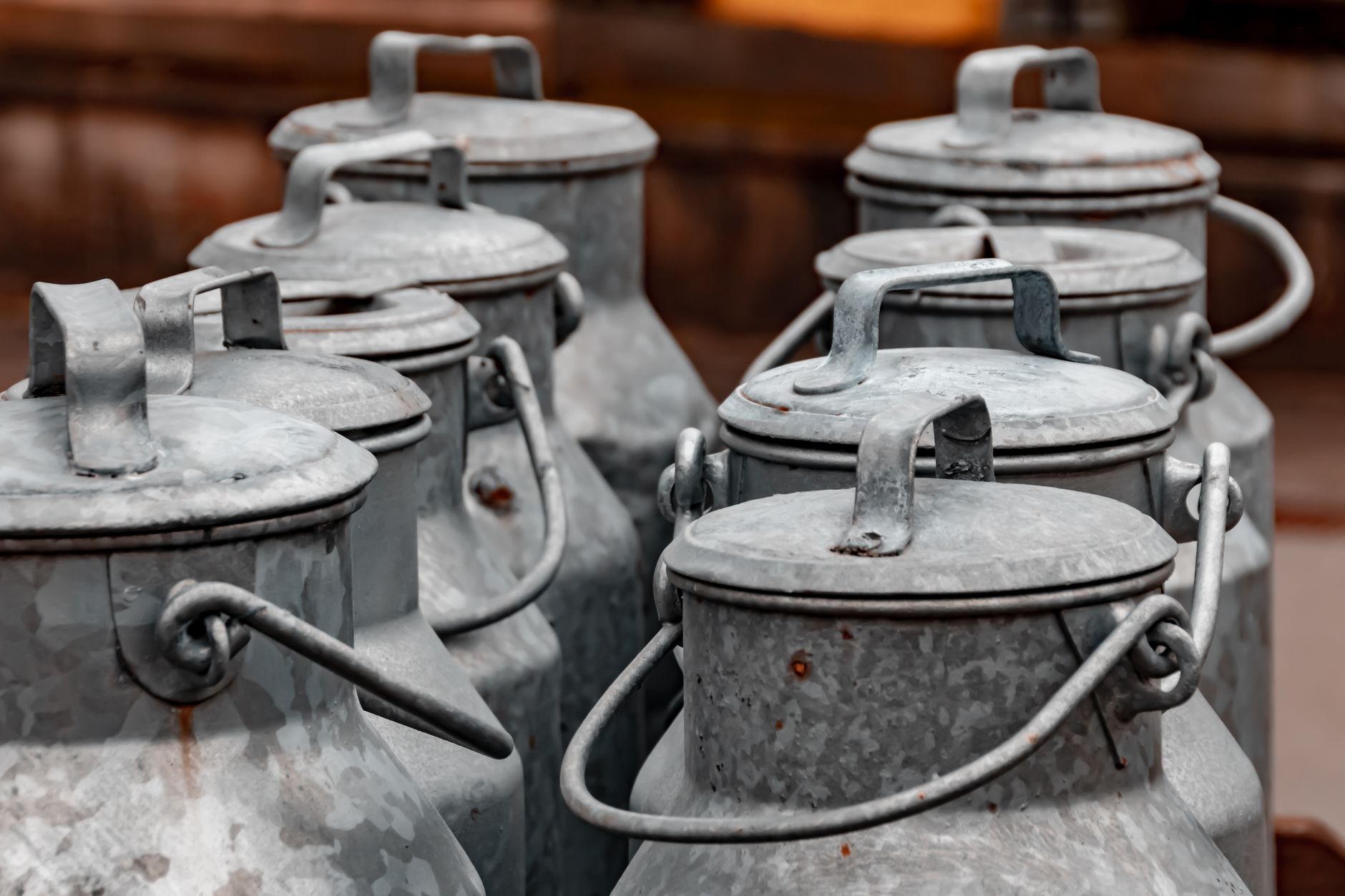
By the Victorian period, as growing towns and cities made it increasingly difficult to obtain fresh milk directly from farms, milk was commonly delivered to the door, initially by local dairymen carrying or transporting milk in large churns. Customers would have milk measured out for them, rather than receiving the sealed bottles we’re familiar with… and fridges were far off in the future at this point.
The big change came in the late 19th and early 20th centuries, when concerns about adulteration and contamination led to increasing regulation and better hygiene. Glass bottles gradually became standard, allowing milk to be delivered in a sealed, recognisable quantity.
And in the 1930’s came the great British institution: the milk float, a battery-operated vehicle driven by the milkman. By 1967 Britain had an enormous fleet of milk floats.
Why was he part of our lives?
By the mid-20th century, the milkman was an extraordinarily familiar figure. He would arrive in the early morning – traditionally with an electric milk float – and leave bottles on the doorstep, often before the household was properly awake.
Milkmen usually delivered every day, so they were part of the daily routine. They delivered to the same houses time after time and inevitably built up relationships with their customers. As they would generally deal with the woman of the house for payment while her husband would be away at work, this sometimes led to dubious, smutty jokes about the nature of the relationship. This cliché arose because the milkman was one of the very few working-age men who routinely came directly to the door during the day.
The figure of the milkman is definitely ingrained in British culture. More than just a service worker, he became a cherished national icon for various reasons.
The Sound of the British Morning
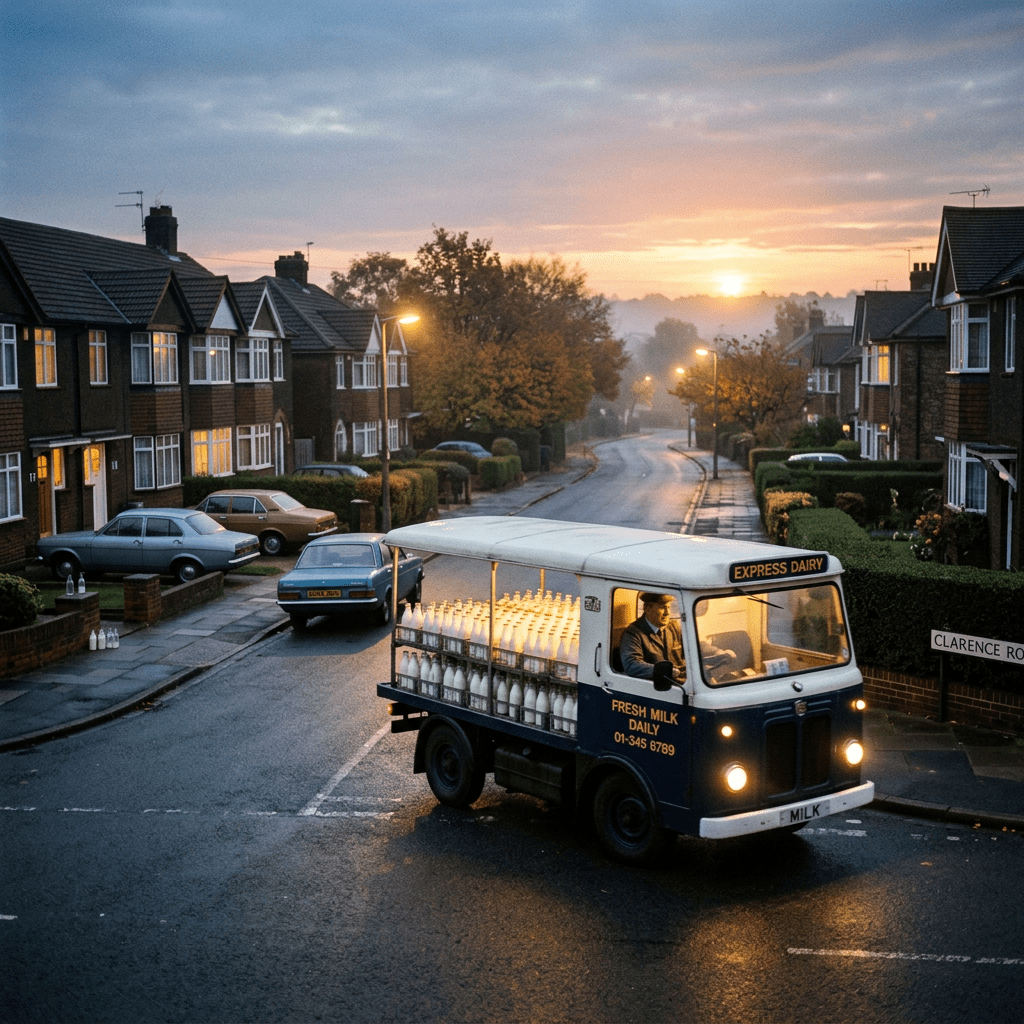
These open-sided, low-emission vehicles made a distinct, low-pitched electric whine. Because they were virtually silent, they didn’t wake residents during early morning deliveries. The only thing people heard was the iconic clink of glass bottles in wire crates.
World War II and the Blitz
During the Second World War, British milkmen became symbols of national resilience and dependability.
- Keeping Calm and Carrying On: As bombs fell on British cities during the Blitz, milkmen carried on with deliveries to ensure daily pints were left on doorsteps.
- A Thread of Normality: To a heavily rationed and traumatised public, the sound of the milkman arriving at dawn was proof that the daily routine was not completely broken.
Iconic British Pop Culture References
The milkman is embedded in English comedy, music and television.
- Ernie (The Fastest Milkman in the West): In 1971, English comedian Benny Hill topped the UK music charts with this wildly popular novelty song about a tragic, romantic feud between a milkman and a baker.
- Norman Wisdom’s The Early Bird (1965): This classic British comedy movie pits a traditional, old-fashioned independent milkman against a giant, ruthless corporate dairy conglomerate.
- Father Ted: Irish/British television famously satirised the milkman trope in the legendary Father Ted episode “Speed 3,” where a milk float is rigged with a bomb that will detonate if the float drops below 4 miles per hour .
Why did milkmen disappear?
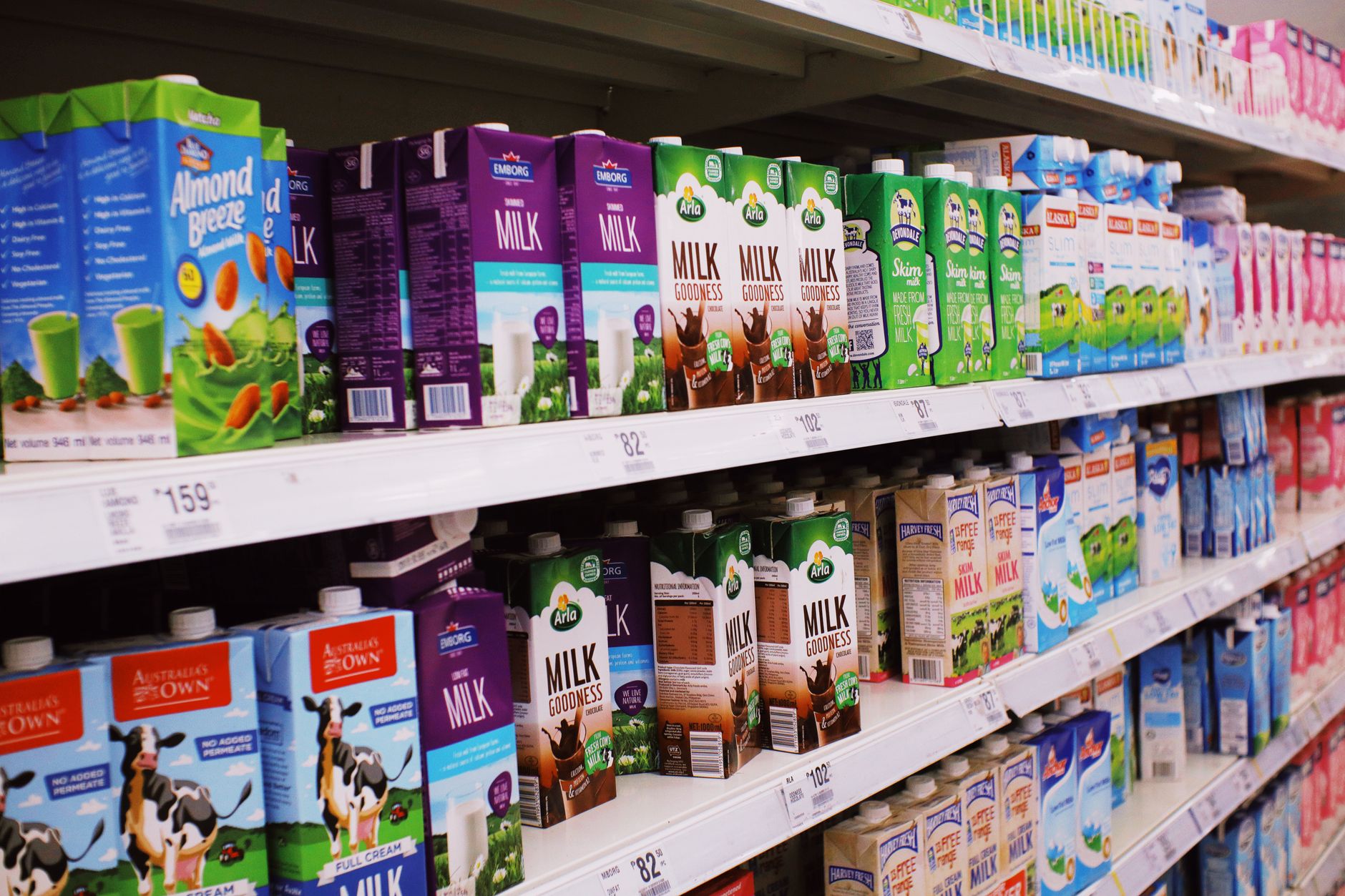
Milk delivery to doorsteps was common not just in Britain, but in many countries, until the second half of the twentieth century. With the advent of supermarkets and fridges, it became much easier to buy milk on demand and store it safely at home, unlike in the past.
Some things disappear with a bang. Others simply stop being there one day.
Did you know …?
Although many people these days have never experienced the milk float delivery, the UK milkman is currently experiencing a niche cultural comeback. Driven by modern British environmentalism and a desire to reduce single-use plastics, some households are returning to the traditional doorstep delivery.
But will milkman delivery return to us all? What do you think?
Do you have any memories or stories about milk delivery where you live?
Let me know in the comments!


