

The story behind the names
Take a walk through almost any British town or village and you’ll notice that pubs rarely have ordinary names, like the surname of the owner, for example. Instead, you’ll find The Red Lion, The Crown, The Swan (& maybe Something), But why?

The tradition goes back hundreds of years. In medieval England, many people couldn’t read, so pubs were identified by pictures on their signs rather than words.
At first these images were of leaves or bushes to show that these establishments sold wine. Over the years, signs began to include other recognisable elements or hot topics in daily life. A painted lion, a crown or a swan was much easier to recognize than letters on a board. Over time, those images became the official “names” of the pubs.
Certain themes were especially popular, with the Red Lion at the top of the list. Why? It is believed that James I encouraged this name to strengthen support for the new Stuart dynasty after the demise of Elisabeth Tudor.

But other animals such as stags, swans, horses, cats, dogs and foxes also figure heavily on pub signage – see below for a sample.
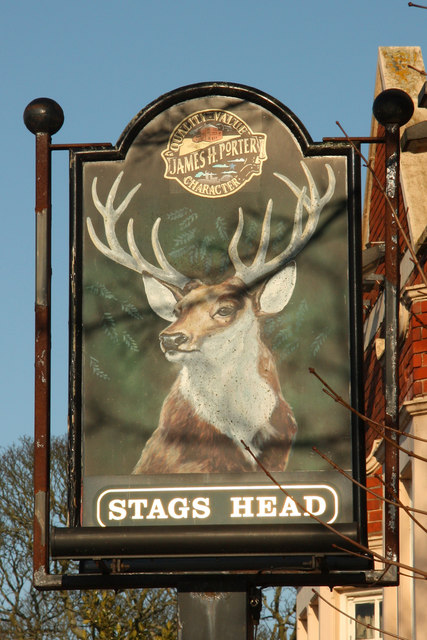

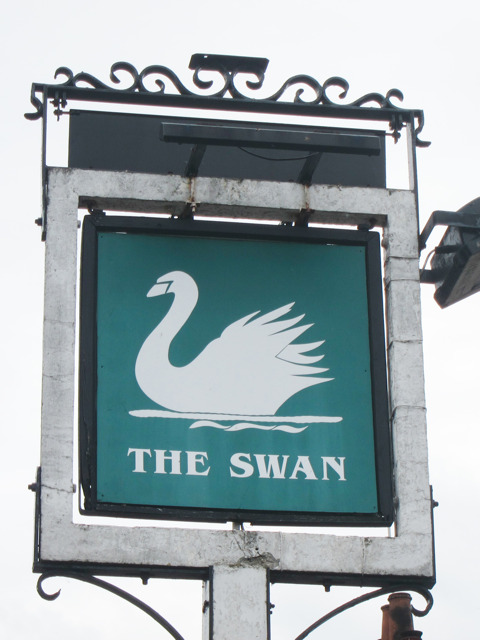

Royal Symbols
- The Crown – One of the most popular pub names, it’s a clear indication of loyalty to the monarchy. During times when public houses also served as community gathering spots, aligning with the royal family was both patriotic and practical.
- The King’s Head – A name often tied to specific monarchs. After the English Civil War, many “King’s Head” pubs displayed signs with portraits of Charles II, showing royalist sympathies. (Others, more daring, kept King Charles I’s head – literally nodding to his execution….)
- The Royal Oak – Refers to a famous incident in 1651 when the young Charles II hid in an oak tree to escape capture by Parliamentarian forces after the Battle of Worcester. Naming a pub “The Royal Oak” became a subtle political statement supporting the Stuart monarchy.
- The King’s/Queen’s Arms – not literally referring to body parts, but their heraldic coats of arms. Again, the establisment woud be generally easy to recognise even if you could not read, and associated with the royalty or aristocrat of the owner’s choice.
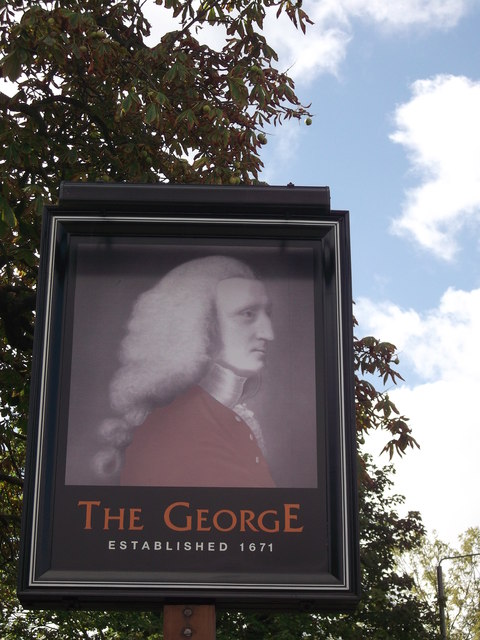
- Or simply call your pub after the name of your favourite monarch – The Queen Victoria, The Prince Albert, The George. This is when the pub’s name will often give you a clue to its age. See below for two examples.

Trades and Tools
Not all pubs were about kings and crowns as many reflected the everyday lives of their patrons:
- The Plough – A popular name in rural areas, symbolising the farming life central to England for centuries.
- The Blacksmith’s Arms – Celebrating one of the most vital trades in a community, where metalwork kept villages running.
- The Carpenter’s Arms / The Mason’s Arms – Similar trade-linked names honoured the craftspeople whose work built towns and churches.
- The Woolpack – A nod to England’s historic wool trade, which was a backbone of the medieval economy.
- These names served as landmarks, meeting points, and symbols of local identity. They were also practical, often chosen for imagery that could be painted on a sign and easily recognised in a largely illiterate society.
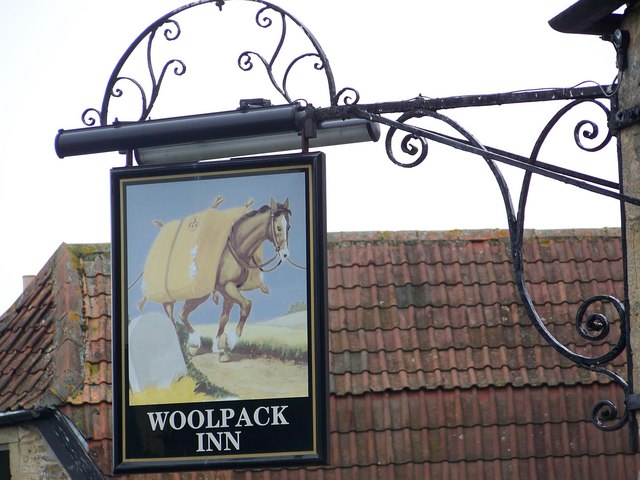
So next time you raise a glass in The Crown or The Plough, you’re not just drinking in a pub but drinking in centuries of history.
👉 What’s the most unusual or historic-sounding pub name you’ve come across?


 english-stuff.com
You must be logged in to post a comment.