
Have you got Christmas on your mind? Thinking about food, gifts, entertainment? A thousand other details? The UK goes into overdrive about Christmas from the beginning of November, and some people are pretty fed up with Christmasness (yes, I know it’s not really a word) by the time 25th December finally rolls around. I sometimes felt like this when I still lived in England.
Although I’ve lived in Spain for several years, I’ll be celebrating Christmas for the first time in Lanzarote this year. While Christmas in Spain has lots of similarities with Britain – it’s family time, we eat lots of special foodstuffs and give each other presents, the monarch makes a speech – there are some differences too. And some of them may surprise you.
The run-up to Christmas
Spain has Christmas ads and commercials, but not to the same extent as the U.K. where everyone is bombarded with a huge retail campaign from 1st November onwards, and it is also not uncommon to see Christmas items on sale well before the winter months.
Over the years I have lived in Spain, the yuletide preparations have slowly increased in volume and the Christmas promotions have started a little earlier each year – but still not to the extent reached in Britain.
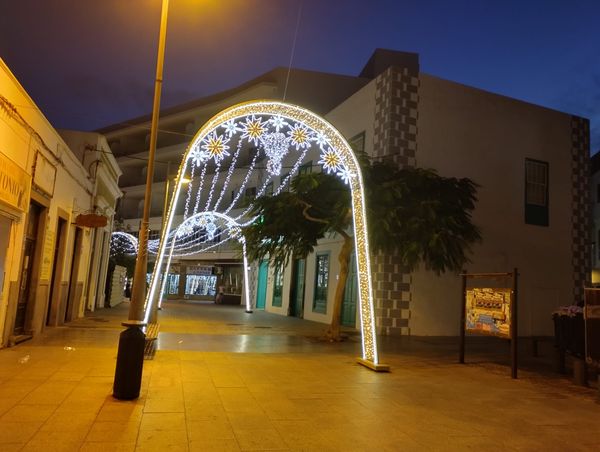
Life is not perfect here in Lanzarote, or anywhere else. But the laid-back island vibe helps to keep everyone relatively sane. And the mild winter climate and sunshine help, of course….were it not for the festive decorations. it would be hard to believe that it really is Christmas.
Christmas Eve/ Nochebuena

So you may already know that we have our family Christmas dinner in the evening in Spain, on Christmas Eve. And we don’t have a set meal, like in England, where a traditional Christmas dinner consists of a roast turkey, with all the trimmings, although it’s also true that nowadays more and more people are choosing an alternative menu which caters more to their taste.
Spain is a diverse country, with a rich gastronomy that varies from province to province. This is why the Christmas Eve (Nochebuena) menu tends to differ everywhere in Spain.
Roast turkey might be on the menu, particularly in the Balearic Islands or in Galicia, in the northwest of the country. But the main dish could be any type of roast meat (lamb and pork are popular choices) or fish or even shellfish, taking advantage of the availability of local delicacies.

In the Canary Islands, fish is often the star of the show, as the Canaries have access to a wide variety of delicious fish from the Atlantic – for example, cherne (wreckfish) or bocanegra (scorpionfish). Many species of tasty locally sourced fish are available, which are not generally found in other parts of Spain.

And there’s always a wide range of tapas provided as extra nibbles. In the colder parts of Spain in the north (not talking Canaries here, obviously) broths and soups are often on the menu to start off the feast.
Other extras might include jamón iberico (cured ham), cheeses, small pastries, prawns and other types of seafood. In the Canaries papas arrugadas (wrinkled and salted boiled potatoes) with delicious sauces (mojos) are also likely to make an appearance.

Sweet treats
In Spain we have many sweet treats during Christmas time, but one of the most traditional is turrón – a type of nougat made from honey and nuts which was popular from the Islamic conquest of Spain in 711. There were originally just two varieties
Turrón de Alicante – a rigid block of around 50% almonds plus honey and sugar.
Turrón de Jijona – this is nougat with a soft consistency, made from toasted crushed almonds and mixed with honey and egg whites.
In the photo above you can see turrón de Alicante third from the left on the second row. Turrón de Jijona is second from the left, first row.
Nowadays, apart from the original turrones, there are also many other varieties with a huge range of different flavours. The photo shows chocolate praline, glazed fruit, chocolate truffle and walnut, and rum and raisin, amongst others. Unfortunately these treats are probably not for anyone strictly watching their calorie intake.
The royal speech
And finally, a nod to the King’s speech, just like the UK. The only difference is that it’s always scheduled for 9pm on the evening of Nochebuena, at the same time as the family gathering… (oh, and it’s in Spanish, which you may have already guessed…)
Christmas Day/Día de Navidad
Christmas Day has a bit of a Boxing Day vibe, as everyone is recovering from the festivities the night before. But it’s still a bank holiday and an important day in the calendar.
A lot of Spanish people will go out for a special lunch to celebrate, and there are always eateries in holiday destinations which offer English Christmas dinners – although I would advise you to also sample some of the incredible gastronomy Spain has to offer.
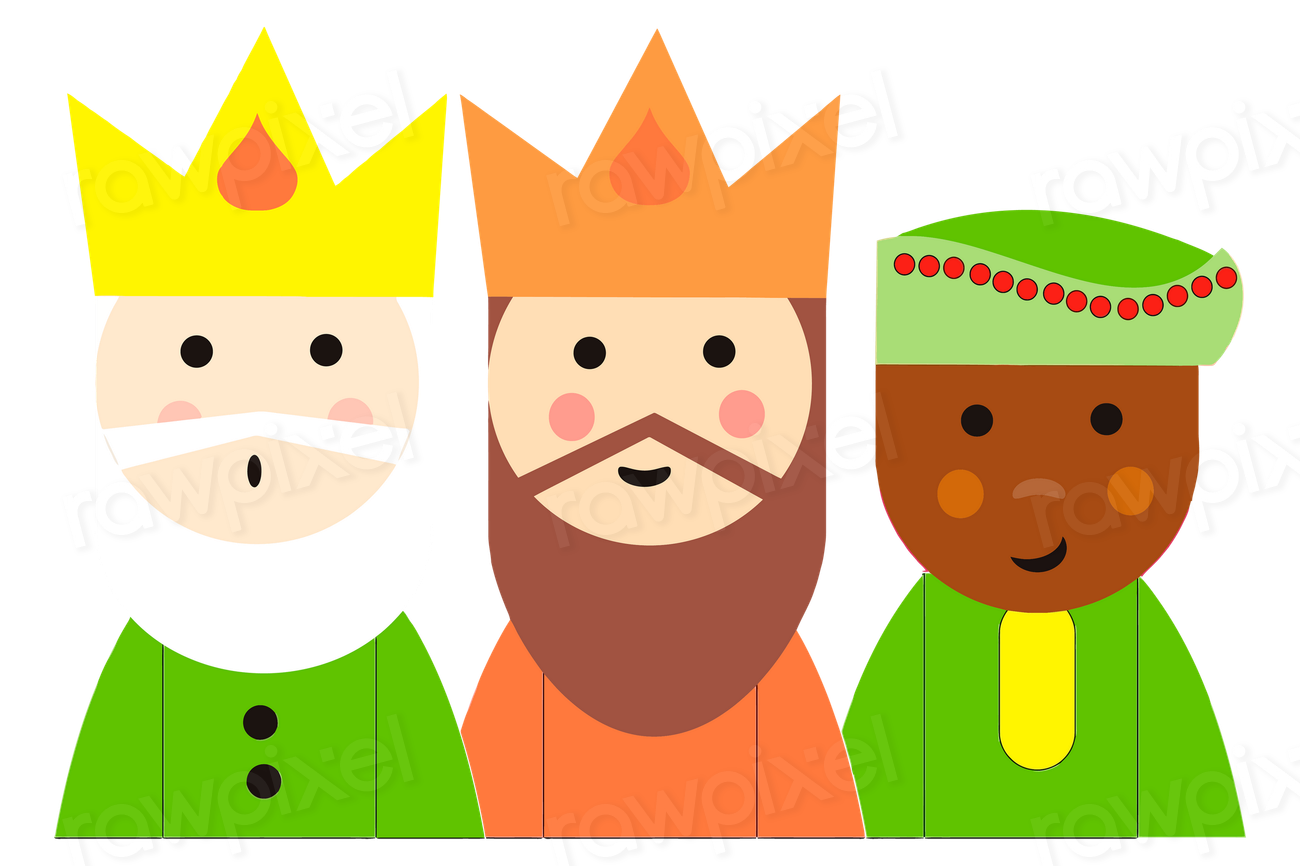
The old Spanish tradition of receiving presents from the Three Kings on Epiphany, January 6th, is still going strong. However, with globalisation, and the practicality of children being able to enjoy their presents for the remainder of the Christmas holidays, gifts are given more and more on 25th December, although a lot of lucky Spanish kids will also receive another gift on January 6th from the Three Kings. We know these regal giftbearers as the Three Wise Men.
This post may have arrived just after Christmas Day, but wishing all our readers the very best for the rest of Christmas season.
Do you know of any more Christmas traditions in other countries which are totally different to Britain?
 english-stuff.com
You must be logged in to post a comment.